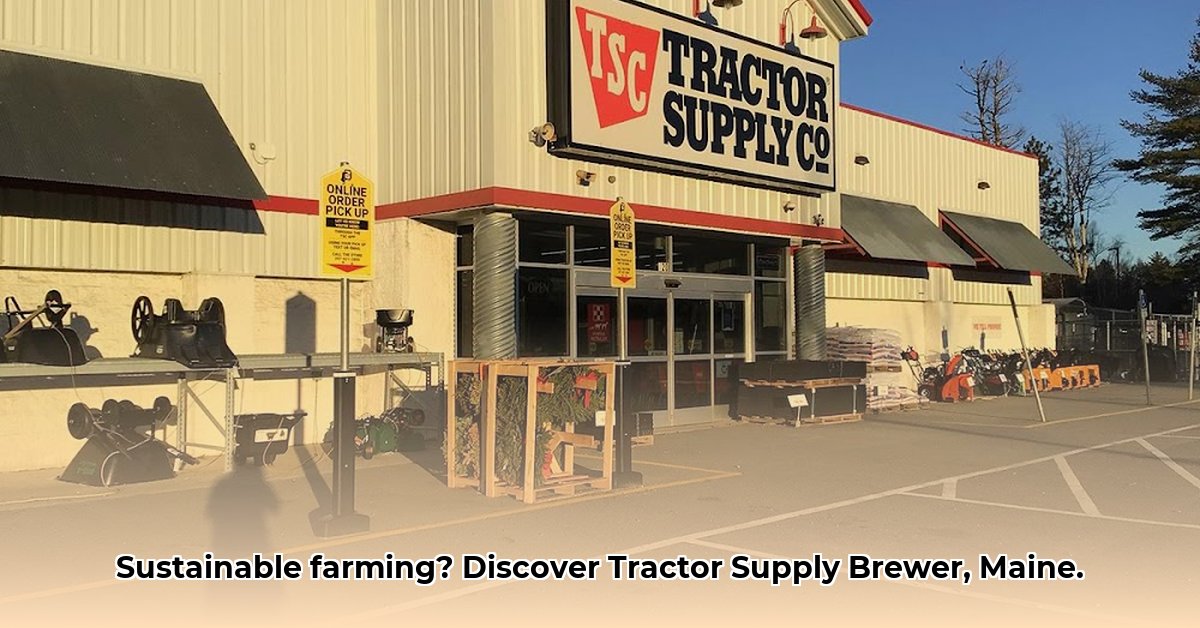
Tractor Supply's Maine Presence: A Market Analysis
Tractor Supply Company (TSC) maintains a significant presence across Maine, with numerous locations offering a broad range of products for farmers, gardeners, and pet owners. While stores like those in Bangor and Holden provide a consistent selection of goods, the availability of specific items may vary depending on location and regional demand. This consistency, while beneficial for predictable supply access, potentially limits TSC's ability to adapt to localized preferences and specialized needs within the Maine agricultural market. Does this standardized approach hinder or help TSC's competitiveness in a state increasingly focused on sustainable practices? This is a key question we explore. For more information on a specific Maine location, check out this Waterville store page.
Product Offerings: A Focus on Sustainability
TSC's product catalog is undeniably extensive, encompassing animal feed, farming equipment, gardening tools, and pet supplies. However, a critical gap exists in readily available data concerning the extent of their organic and sustainable product offerings. The lack of clear information on the availability of organic seeds, eco-friendly fertilizers, and other sustainable farming inputs significantly impacts the assessment of TSC's responsiveness to the growing demand for environmentally conscious agriculture in Maine. This data deficiency represents a missed opportunity to fully understand their role in supporting sustainable farming practices within the state.
The Competitive Landscape in Maine
The competitive landscape for TSC in Maine is complex and requires further analysis. While TSC enjoys considerable visibility, a comprehensive understanding of its competitive advantages and disadvantages remains elusive due to limited data on direct competitors. Local feed stores, regional chains, and online retailers all pose potential challenges, yet the specifics of their product ranges, pricing strategies, and sustainability commitments remain largely unquantified. How does TSC's product range compare to competitors specifically regarding their offering of organic and sustainable products? This is a critical area requiring deeper research.
Maine's Agricultural Sector: Embracing Sustainability
Maine's agricultural sector is experiencing a significant shift towards sustainability, driven by increasing consumer demand for organic produce and ethically sourced goods. This rise in environmental consciousness presents both a substantial opportunity and a potential threat for TSC. The ability to effectively cater to this growing demand for sustainable products will be a crucial determinant of TSC's long-term success in the Maine market. Are they adequately adapting to—or even leading—this market transformation?
Actionable Insights and Recommendations
To effectively navigate Maine's evolving agricultural landscape, TSC and other stakeholders must adopt strategic initiatives.
For Tractor Supply Company:
Comprehensive Market Research: Conduct thorough market research to accurately assess consumer demand for organic and sustainable products within various product categories. This research should inform inventory decisions and supply chain adjustments.
Expand Sustainable Product Lines: Expand the range of organic and sustainable products offered. Partnering with local Maine suppliers would simultaneously boost local economies and demonstrate a commitment to sustainable sourcing.
Invest in Employee Training: Implement comprehensive training programs to educate staff on sustainable agriculture and enable them to effectively advise customers on eco-friendly options. This builds customer trust and loyalty.
For Maine Farmers:
Utilize TSC Resources: Continue to leverage TSC for essential supplies, while concurrently advocating for greater availability of organic and sustainable products.
Foster Open Communication: Actively engage in dialogue with TSC management to express the need for specific sustainable inputs and potentially generate mutually beneficial partnerships.
For Maine Consumers:
Advocate for Sustainable Choices: Clearly communicate their preference for organic and sustainable products through purchasing decisions and direct feedback to retailers like TSC.
Engage with TSC Staff: Use TSC employees as a resource to ask questions about sourcing and sustainable agricultural practices. Actively seek out and support retailers demonstrating a strong commitment to sustainability.
For Environmental Groups:
Promote Transparent Dialogue: Initiate open communication with TSC to advocate for environmentally responsible practices throughout their supply chain.
Collaborative Initiatives: Explore collaborative projects that promote broader adoption of sustainable agricultural methods within the state.
Conclusion: The Need for Further Research
This analysis highlights significant gaps in the currently available data, limiting a full evaluation of TSC's position within Maine's agricultural market. Further research is crucial to fully understand TSC's market share, consumer buying behaviors regarding sustainable products, and the effectiveness of various sustainability initiatives. This comprehensive approach is essential to provide actionable recommendations for all stakeholders, ensuring a sustainable future for Maine’s agricultural sector.
How to Find Organic Farming Supplies at Tractor Supply in Maine
Key Takeaways:
- TSC's organic product offerings in Maine require further detailed investigation. The extent of their commitment to sustainability remains unclear based on currently available data.
- Consumers should carefully examine labels and ingredient lists to identify organic products, while recognizing that complete transparency regarding supply chain sourcing is currently lacking.
- Maine farmers and consumers interested in sustainable agriculture may need to supplement TSC purchases with other local suppliers to meet their full needs.
- Increased demand for sustainable products, coupled with potential regulatory pressures, could incentivize TSC to significantly increase its organic offerings.